
Analysis
Performance profile
| Cushioning Feel | 62 / 100 · Solid |
|---|---|
| Court Feel | 82 / 100 · Very Good |
| Bounce | 58 / 100 · Solid |
| Stability | 81 / 100 · Very Good |
| Traction | 100 / 100 · Elite |
| Fit | 72 / 100 · Good |
Cushioning Feel
62Court Feel
82Bounce
58Stability
81Traction
100Fit
72Is it for you?
If you like data-mapped traction that bites hard yet barely picks up dust, and can live with a firm, springless React ride lighter players can't break in, then this shoe is for you.
Forefoot midsole tech
React foam
Heel midsole tech
React foam
Outsole tech
Solid rubber with data-mapped traction pattern
Upper tech
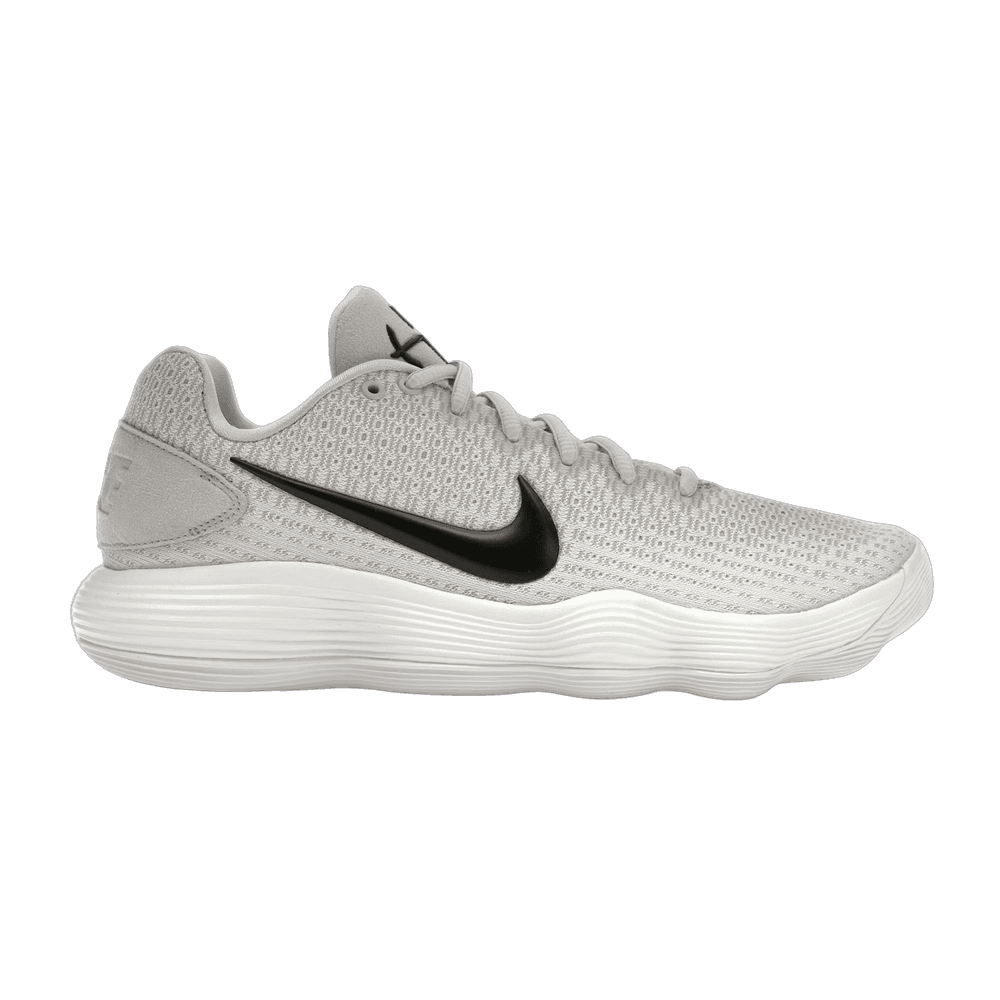
Engineered mesh with nylon backing (regular); full Flyknit on Elite
Cushioning feel
firm-responsive, lifeless to some
Court feel
good
Bounce
moderate
Stability
good to very good
Traction
very good (excellent indoors)
Fit
true to size (regular); Flyknit narrow, wide-footers size up half
Pro reviews
Paraphrased highlights from sneaker reviewers — not verbatim quotes.
No pro reviews yet
Context
Story & provenance
React Debuts on the Hardwood
The Hyperdunk 2017 introduced React foam to basketball 鈥 Nike's then-new midsole material that would later anchor much of its running line. Cushioning split reviewers: WearTesters' Nightwing2303 criticized React as firm and uninspiring, while Stanley T. found it acceptable after break-in but preferred Zoom; Live for BBALL described it as 'a more firm and responsive Lunarlon.' The shoe came in regular engineered-mesh and premium Flyknit variants. Traction (a data-mapped pattern from Nike Sports Research Lab), fit, and lockdown were widely praised. Designer Ross Klien 鈥 who also did the UA Anatomix Spawn and Nike Kobe A.D. 鈥 built a clean, minimal silhouette. The 2017 is remembered as the last 'team-shoe' Hyperdunk before Nike rebranded the line as Hyperdunk X for the 10-year anniversary, and as the cushioning experiment that pushed Nike back to Zoom for 2018.
Your rating
Rate every dimension to save
- Cushioning feel0.0
- Court feel0.0
- Bounce0.0
- Stability0.0
- Traction0.0
- Fit0.0
Sign in to rate
Smart size advisor
PremiumSign in and, with your foot scan, Pro/Max works out exactly what size to buy in this shoe.
Log in